
Thirty years working porcelain stoneware have given Apavisa an unusually broad range: the same factory produces flooring and wall tiling for indoors and outdoors, and moves from a metal effect to a hydraulic mosaic without leaving its own catalogue. Zinc, Senso and Hydraulic show that path well, from metal to hydraulic geometry, with a current eye on porcelain stoneware. At Gomila Cerámica we chose it precisely for that breadth, because it lets a whole project, floors and walls, inside and out, come from a single manufacturer. That simplifies coordination on site and keeps a consistent technical and aesthetic approach from one room to the next, without mixing origins.
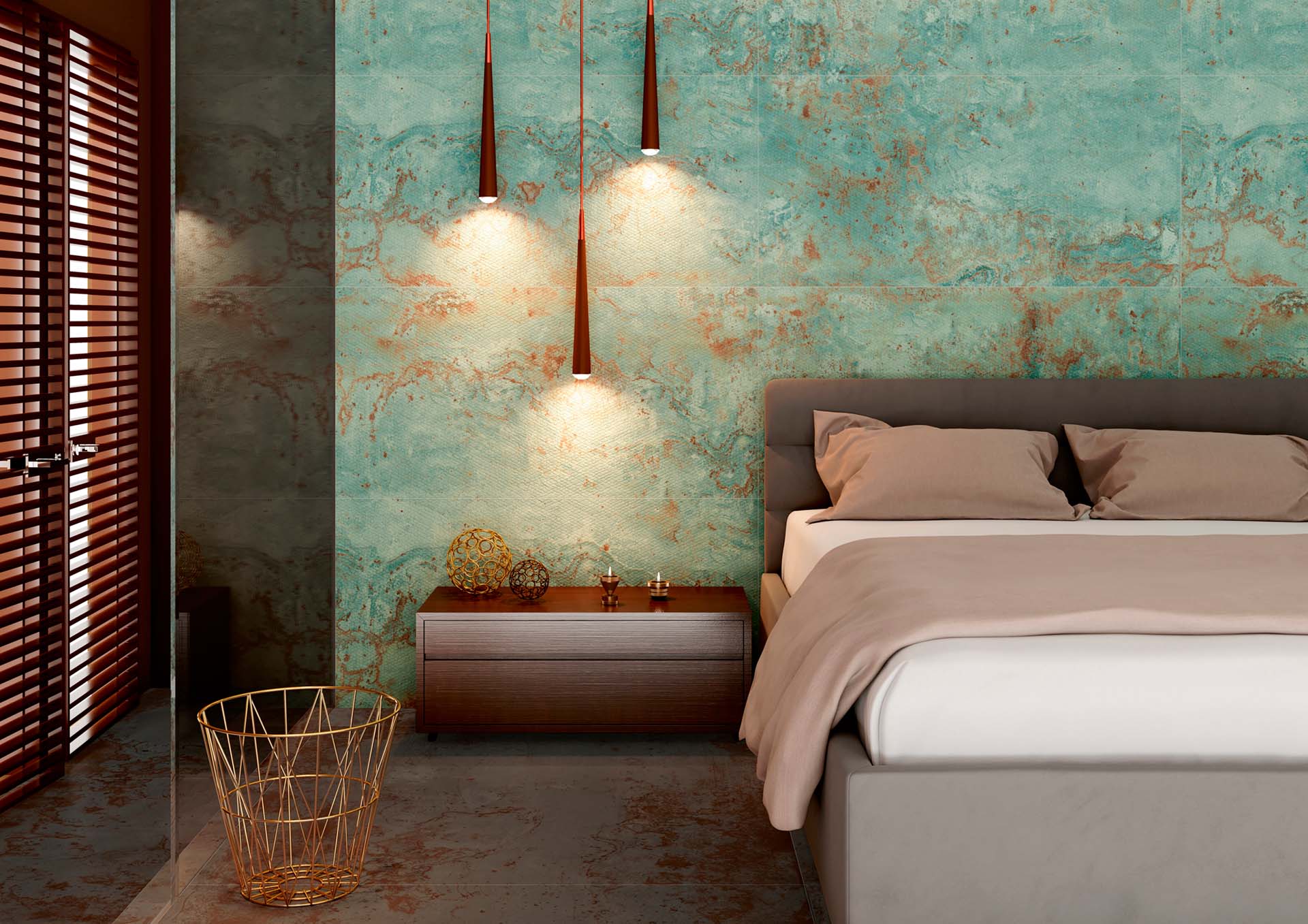
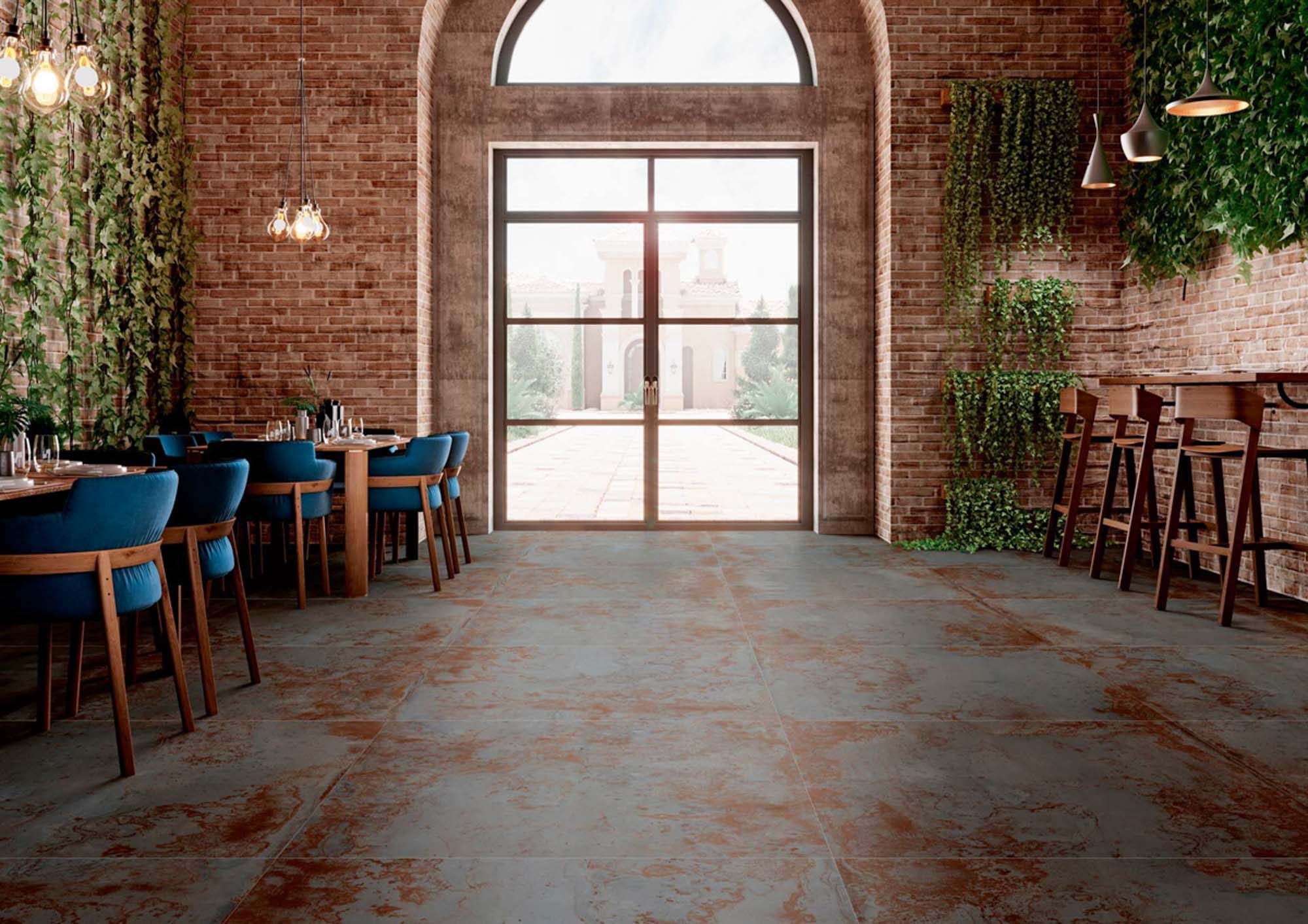
ZincInspired by zinc, with an industrial, modern look and metallic finishes.Download the Zinc catalogue


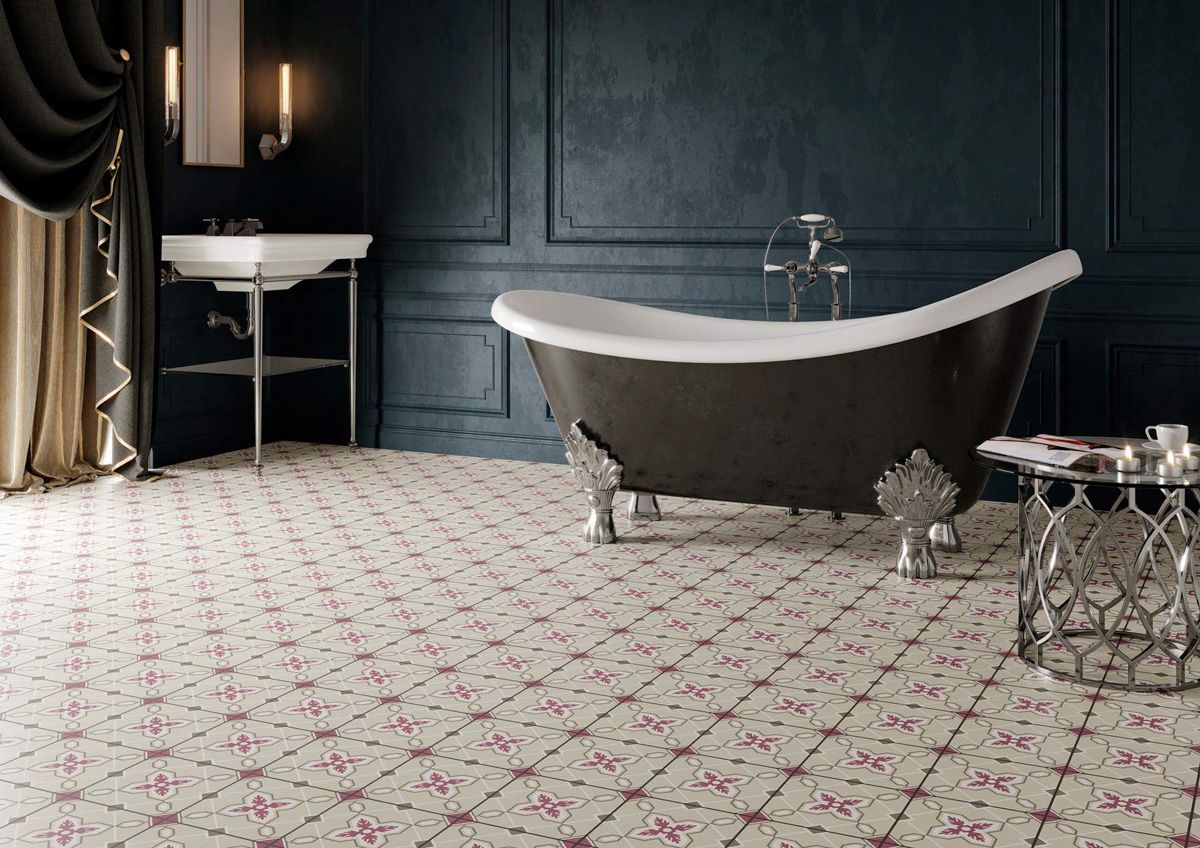
SensoA vintage tile for anyone who enjoys hydraulic mosaic, with a floral design combined with geometric shapes.Download the Senso catalogue
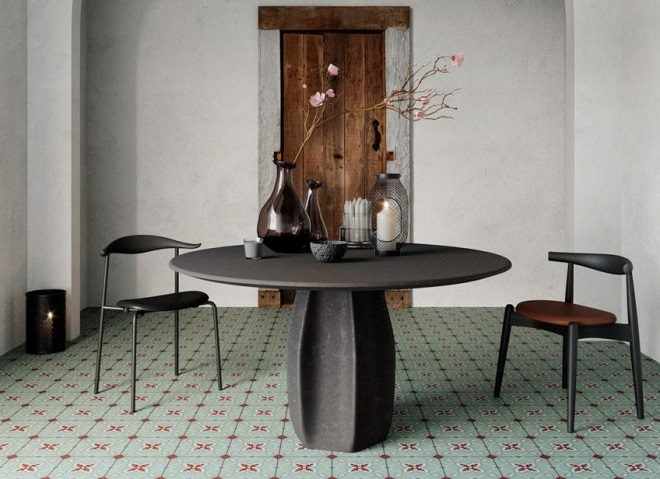

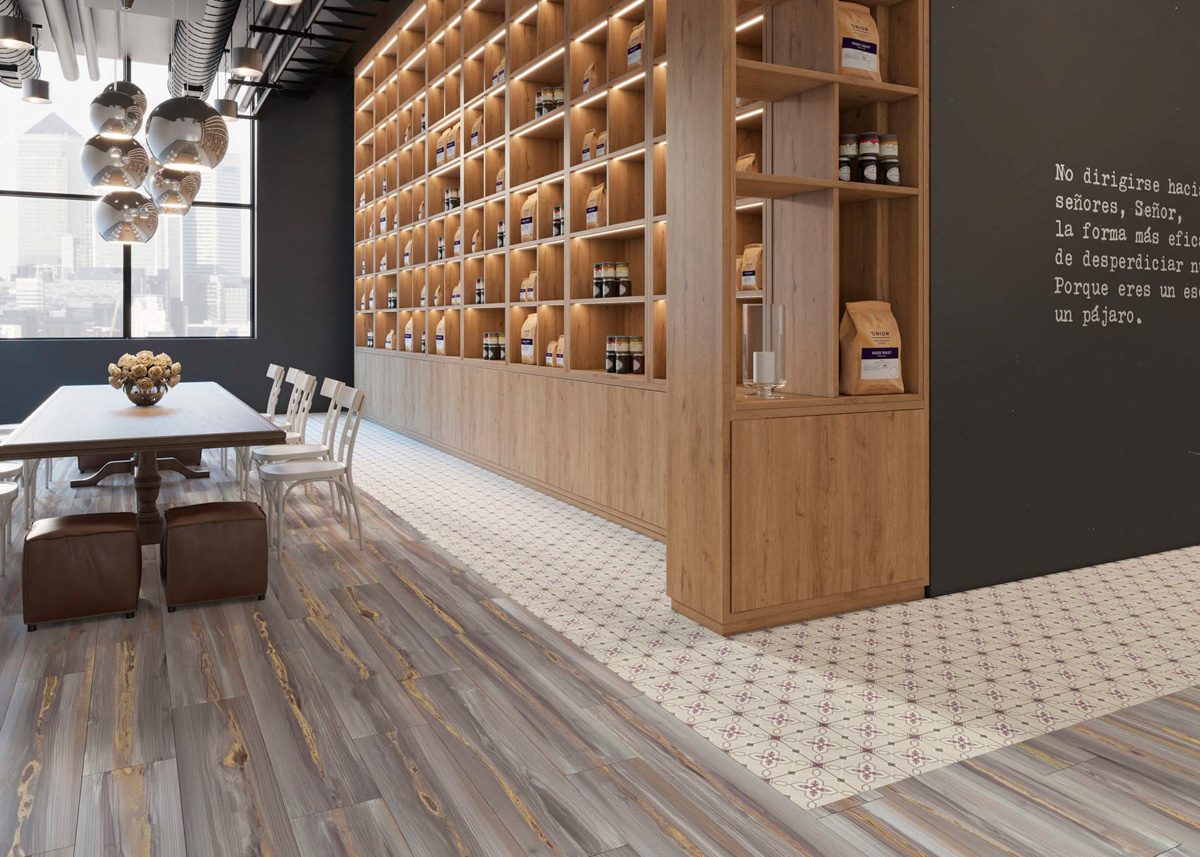
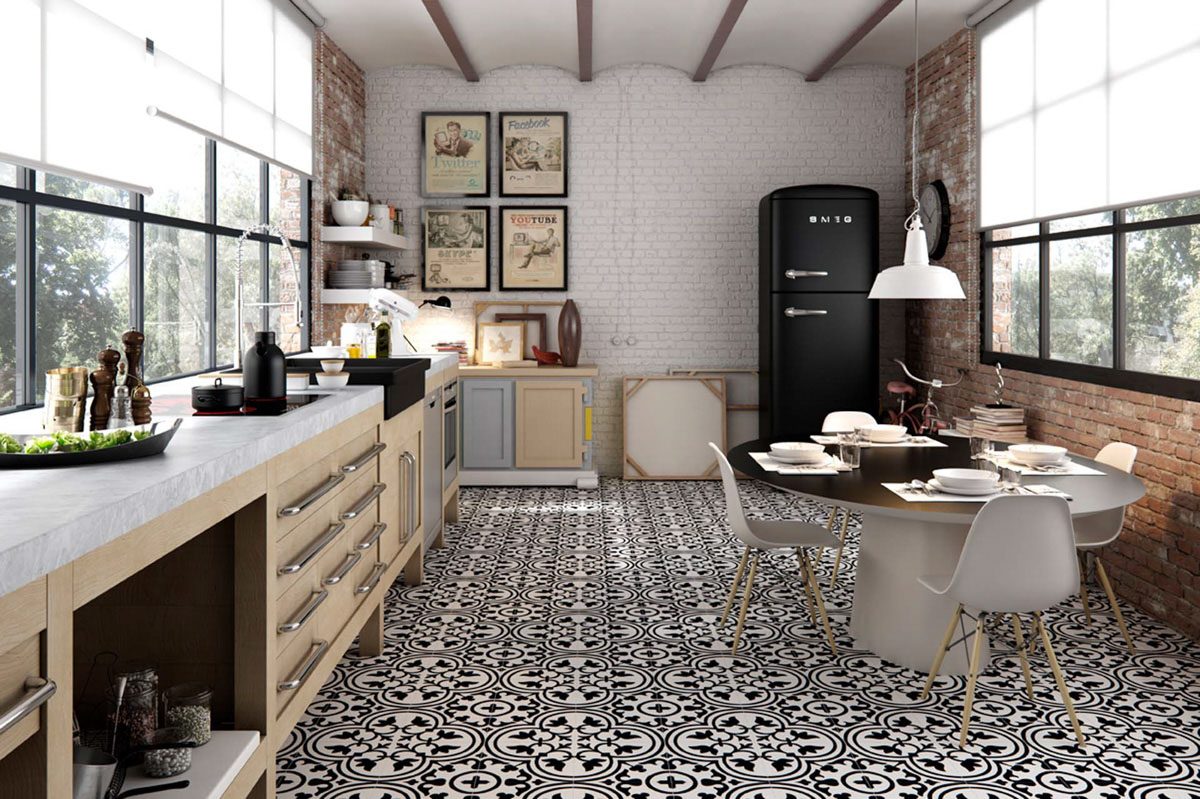
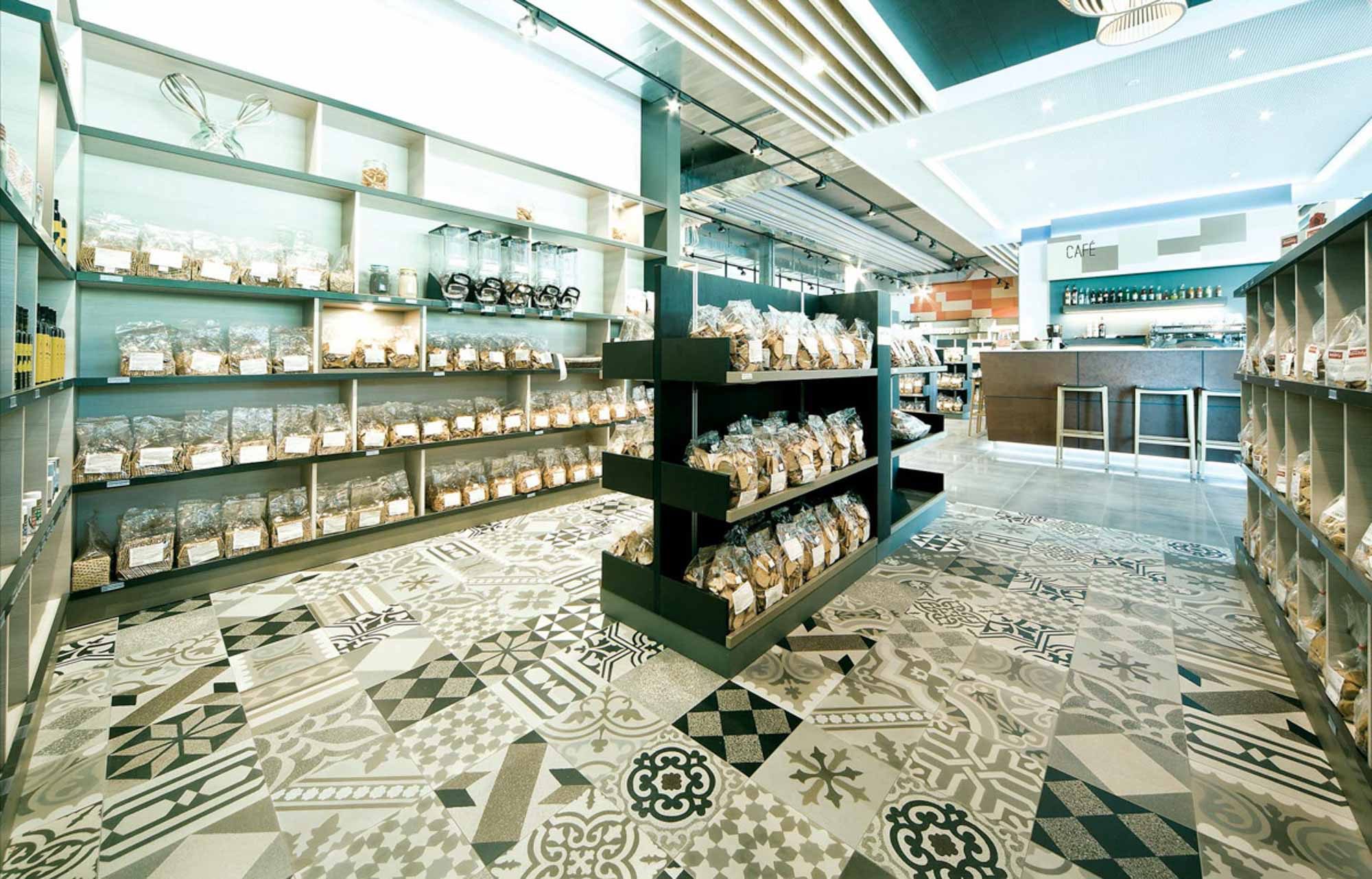
HydraulicIt recreates the look of the hydraulic tile in porcelain stoneware, suitable indoors and for patios and terraces, as flooring or wall tiling, with more resistance and durability than traditional hydraulic tiles.Download the Hydraulic catalogue
Frequently asked questions
Is Apavisa outdoor porcelain stoneware suitable for a terrace or the edge of a pool?
Yes. Apavisa states that all its outdoor porcelain flooring holds Class 3 anti-slip certification, and recommends it for patios, gardens and pools. The manufacturer adds that it is a particularly suitable solution in areas with harsh weather and on surfaces more exposed to water and damp.
How do you clean a porcelain stoneware floor day to day?
Apavisa recommends first removing dust and loose dirt, then mopping with water and a pH-neutral cleaning product, in a proportion of three parts water to one part product. According to the manufacturer, a full weekly mopping is enough, and the frequency can be increased if the floor calls for it.
Which cleaning products should I avoid?
The manufacturer recommends avoiding acidic remedies such as vinegar and lemon, and also alkalis such as bleach and ammonia. It also advises against waxes and polishes on polished tiles, because they can leave stains that are hard to remove, and against abrasive cloths or sponges.
Does porcelain stoneware need any sealing or treatment?
No. Apavisa states that porcelain stoneware has high density and low porosity, and that for this reason it requires no special treatment with a sealant. The same manufacturer describes the material as highly resistant to water, stains and wear.
What does it mean for a tile to be rectified, and does it affect the thickness?
Rectifying means cutting the edges of the tile precisely, at a right angle and with no bevel, so you can work with minimal joints. Apavisa explains that rectifying is done after firing and that the process does not affect the thickness or the quality of the tile. The manufacturer adds that the narrower the joint, the easier the surface is to clean.
How thick are the 2 cm outdoor tiles and what can they be laid on?
The Apavisa outdoor range comes in a thickness of 20 mm, in the 50x100 cm format. On its anti-slip finishes page the manufacturer states that these tiles can be laid with adhesive, on pedestals, on gravel or on grass, and that their strength and low water absorption make them a long-lasting solution.
Your question not here?Tell us about your project so that we can advise and guide you.Call +34 971 732 343Write to us


