Frequently asked questions
What is the difference between white body and porcelain body tiles, and where can I use each one?
WOW explains that the main difference lies in water absorption: porcelain body is less porous, with absorption below 0.5 per cent, while white body generally absorbs between 10 and 20 per cent. That is why the manufacturer states that white body works on any indoor wall, including shower or bath walls, but does not recommend it outdoors, especially in areas at risk of frost. Porcelain body, by contrast, it considers suitable for walls and floors both indoors and outdoors, with bathrooms, kitchens, courtyards, facades and swimming pools among its uses. To find out which body each collection uses, WOW refers you to the technical specifications on the collection page of its website and to the W and P icons in each catalogue.
Can it be installed inside a swimming pool?
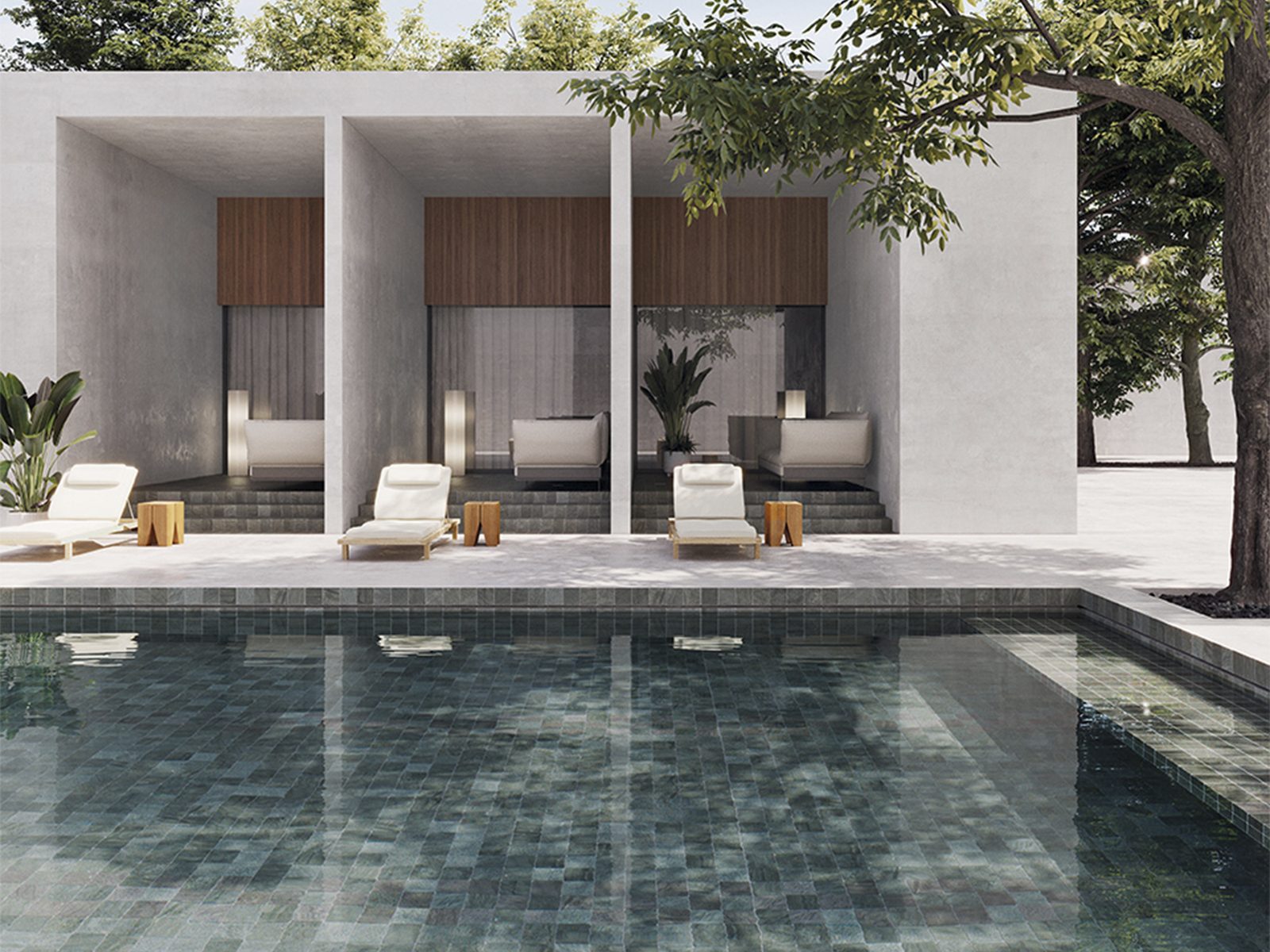
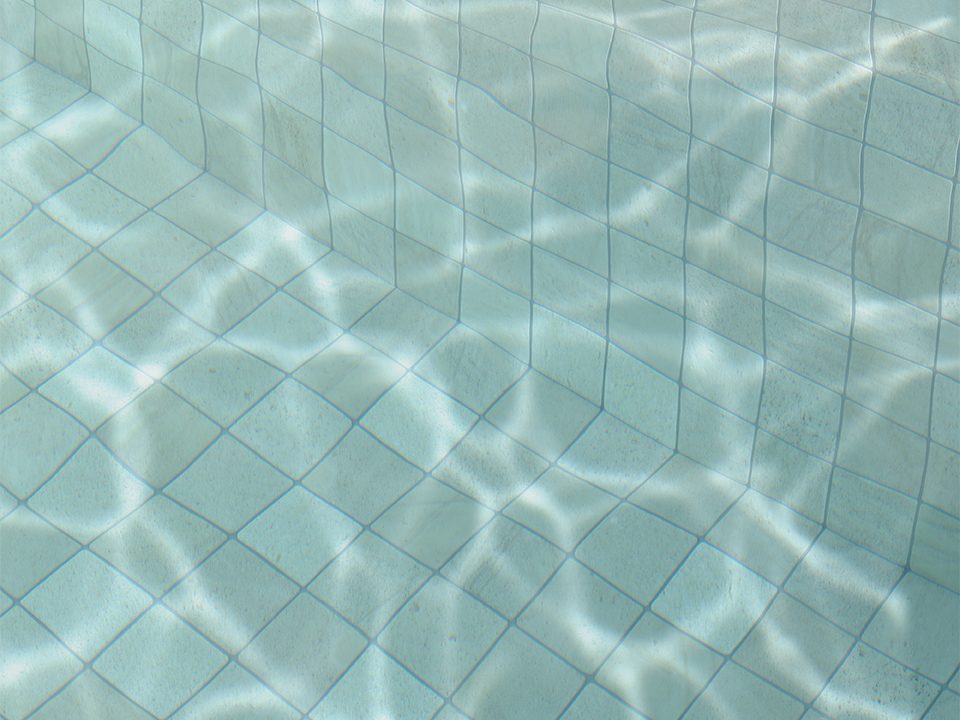
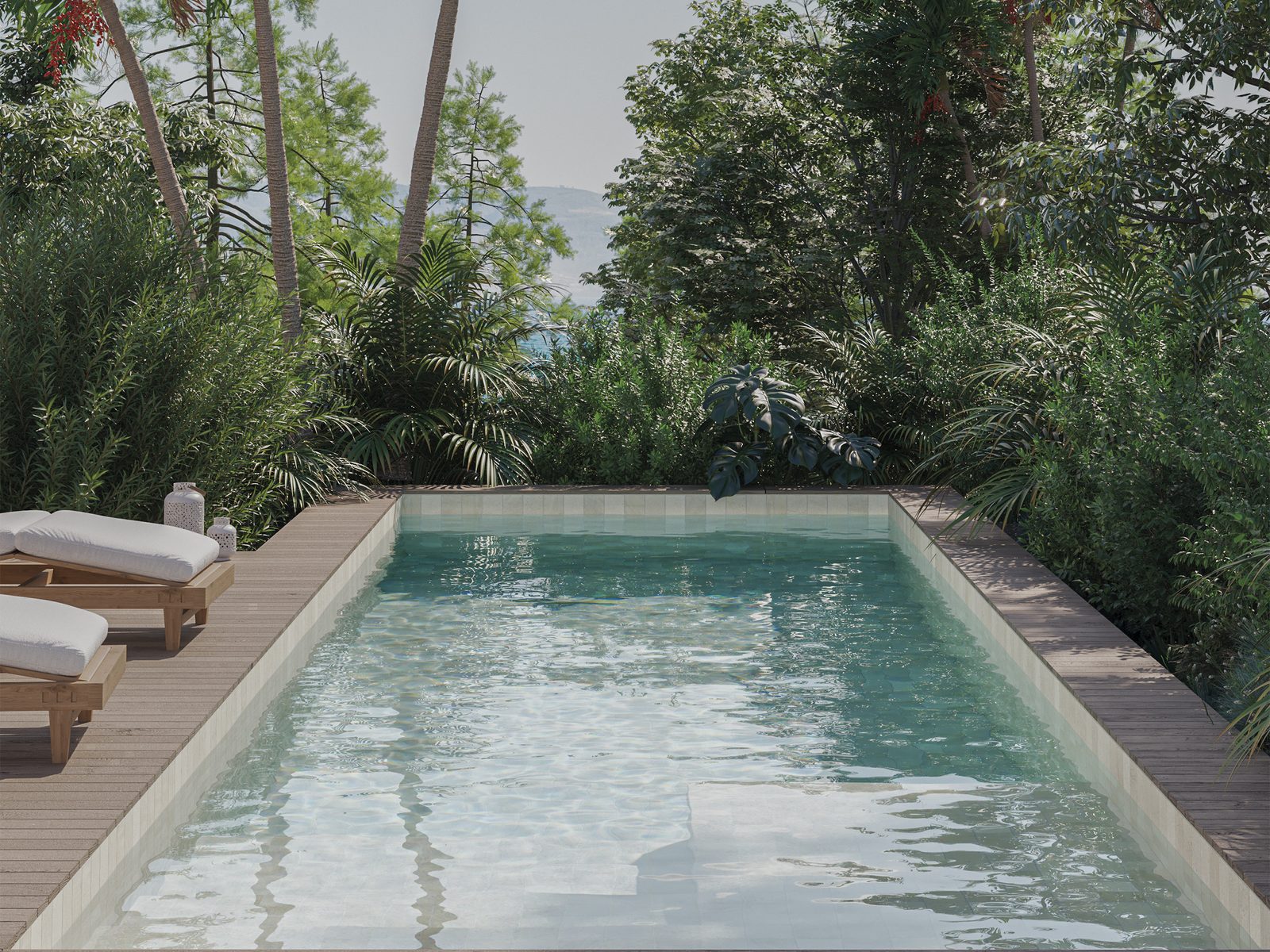
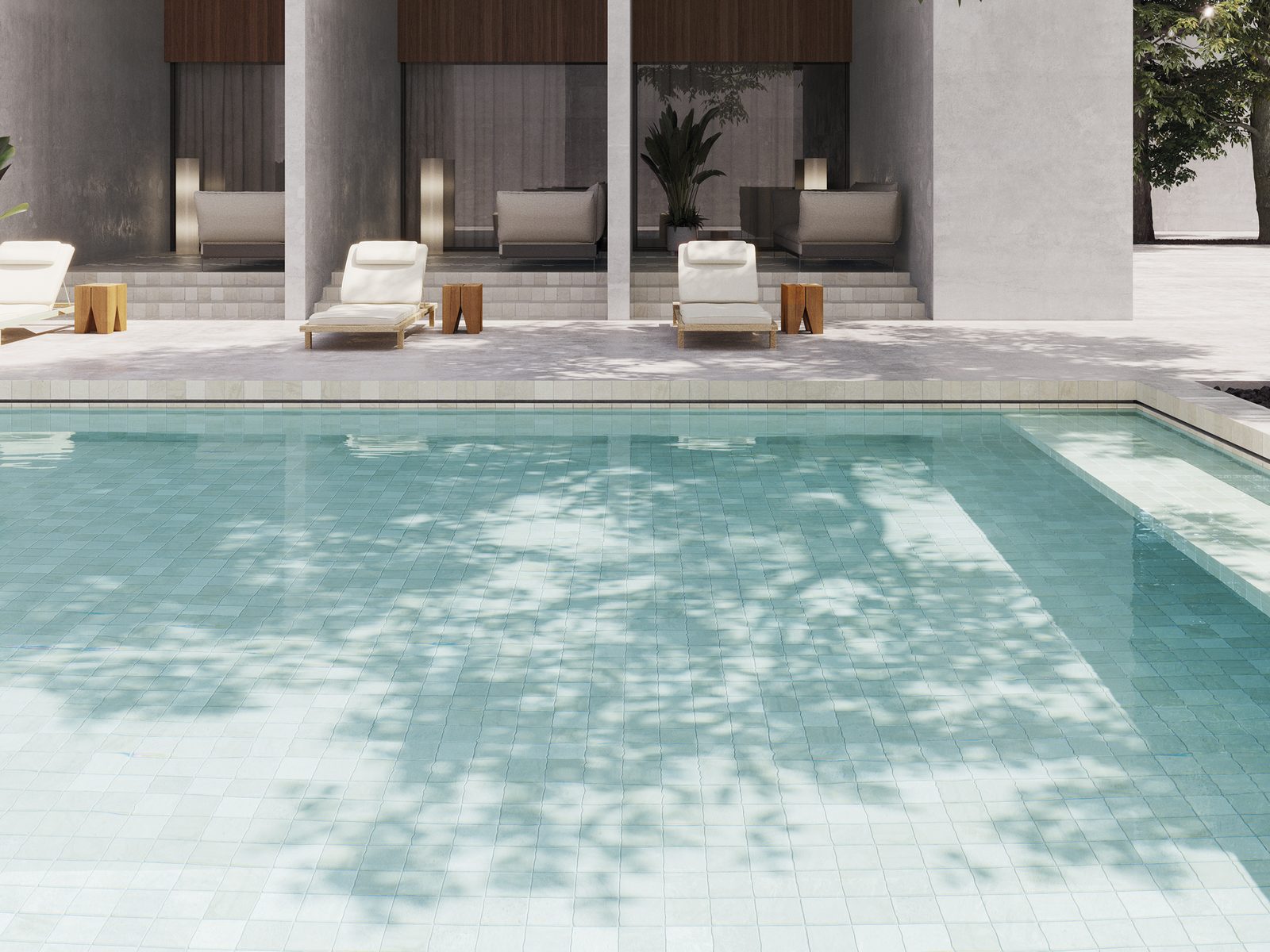
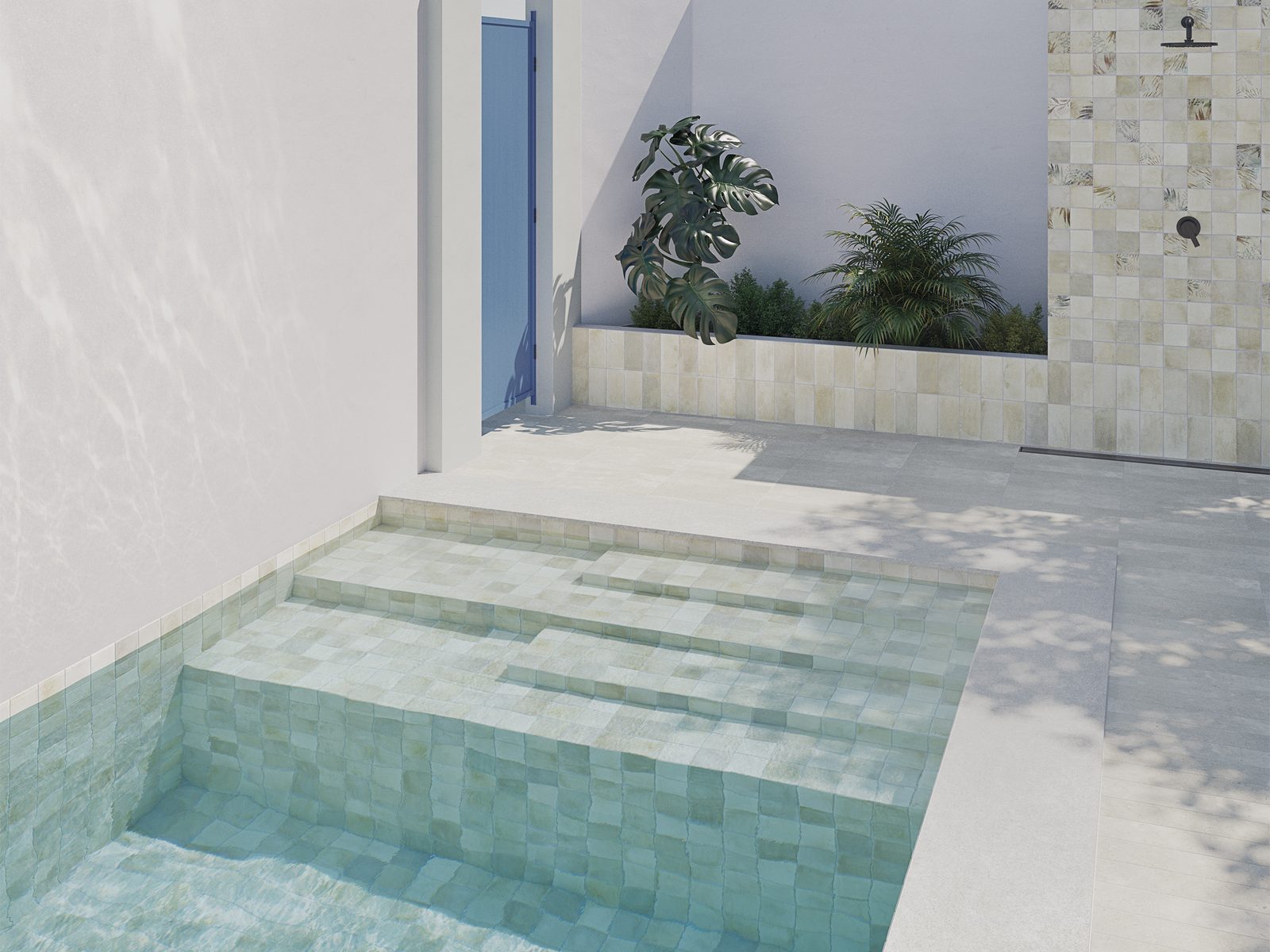
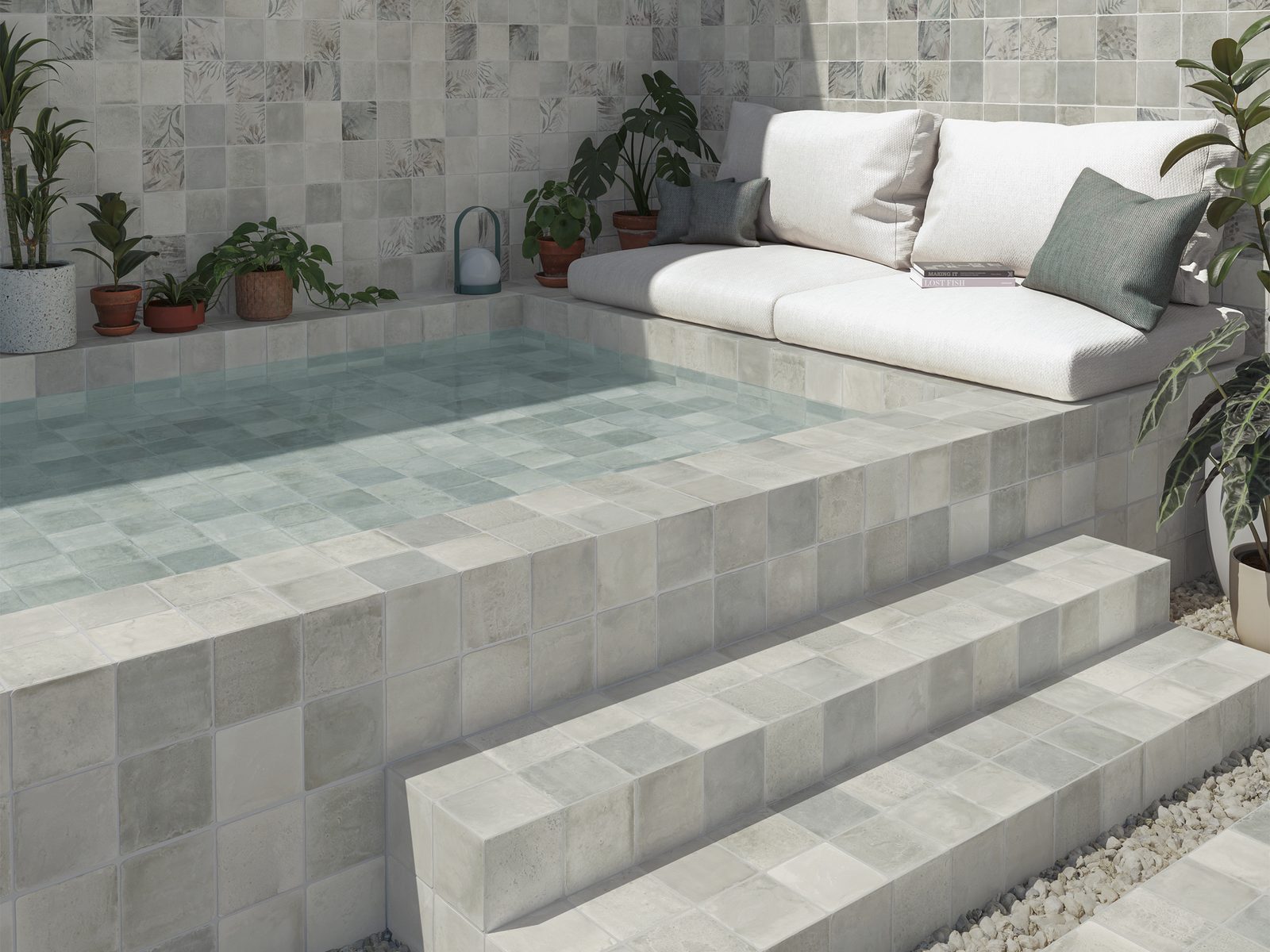
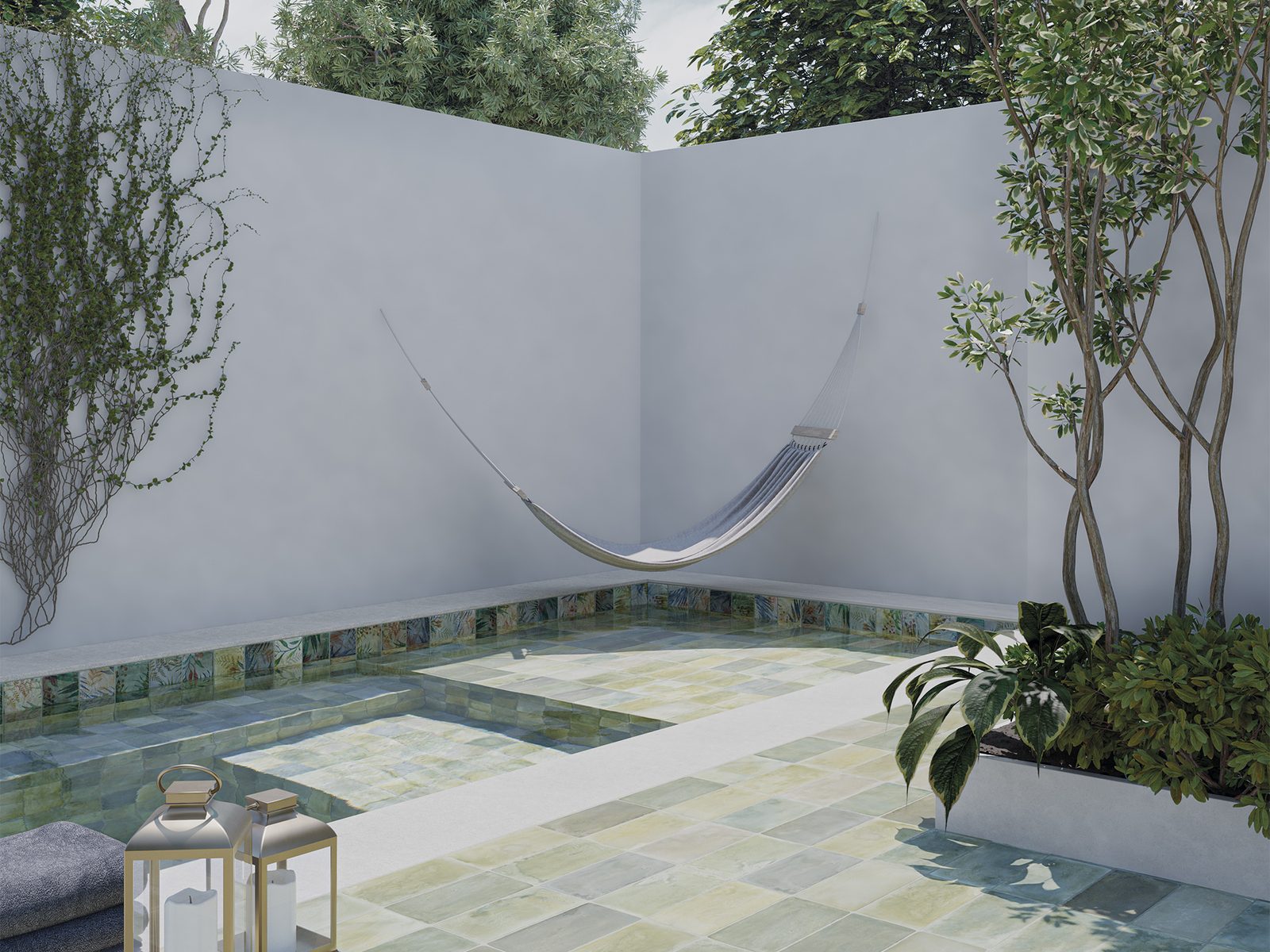
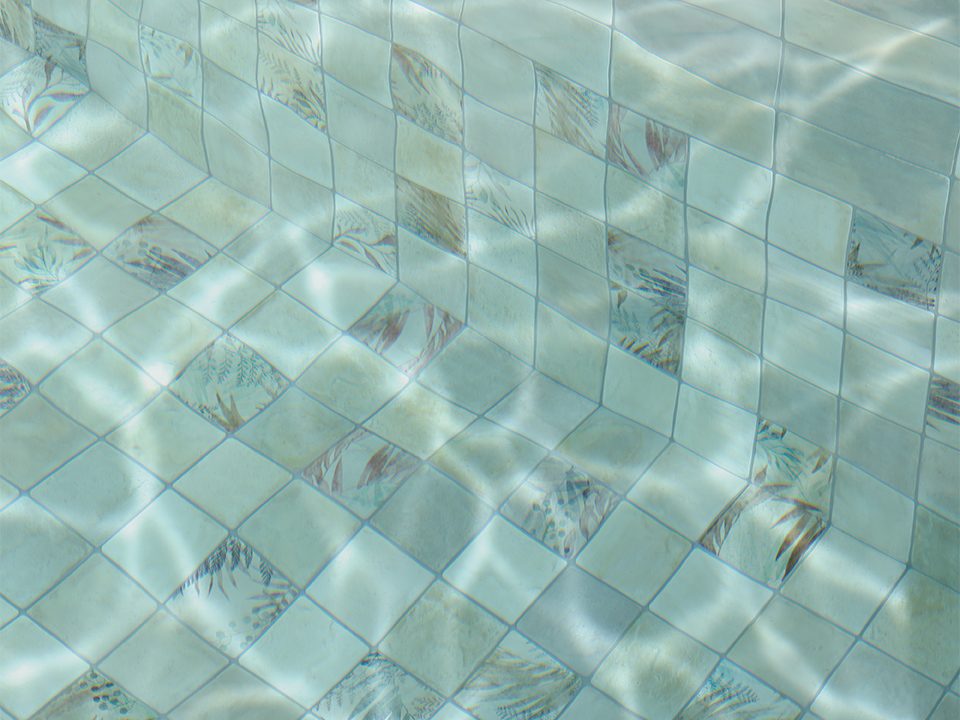
According to WOW, generally yes: it considers porcelain body suitable for the inside of the pool because of its low water absorption and its resistance. The manufacturer does warn that it does not recommend it for the pool edge, as it is not an anti-slip product. It also asks that you avoid ceramics that do not resist chemicals such as chlorine, and expressly mentions the gloss colours of the Roots and Abbey Stone collections.
How do I know whether a tile is anti-slip and suitable for the floor?
WOW states that there are three standardised values that indicate how anti-slip a tile is: R, Class and DCOF (for example R10, Class 3 and DCOF 0.51), and that the higher the number, the more anti-slip the product. These figures appear on each collection page: the Sukabumi collection, for example, is described as an anti-slip soft-touch surface, R11, Class 3, DCOF above 0.60, with a matt glaze formulated for both indoor and outdoor use. Note one exception the manufacturer itself points out: there are porcelain body products that should not be laid on floors because they are delicate, such as metallic or special glazes with low scratch resistance, and it cites the gloss colours of Roots and Abbey Stone.
How are the tiles cleaned, and do the matt ones need sealing?
The manufacturer states that maintenance consists of regular cleaning with water and mild detergents, and that for stubborn stains you can use cleaners made specifically for ceramics, avoiding abrasive products that could damage the surface. On sealing, WOW is clear: matt tiles do not need to be sealed, because like the gloss ones they are fully sealed and waterproof, simply with a matt glaze instead of a gloss one. It adds that all its products are stain resistant, with the occasional exception, generally metallic finishes, where it is best to avoid acidic substances such as lemon.
What joint and what grout should I use?
WOW recommends using a quality grout, preferably with antimicrobial properties in wet areas, and cites brands such as Kerakoll (Fugabella colours), Litokol and Mapei. It specifies that the type of grout depends on the colour and on the type of installation. As for width, the manufacturer advises 1 mm spacers for modular compositions and 1.5 mm for the rest. For relief tiles it states that no special instructions are needed, nor filling the gap with more mortar than usual.
Can there be shade differences between boxes from different batches?
Yes, and the manufacturer says so openly: there is a slight variation in shade between production runs, because that is the nature of ceramics. WOW states that the label on each box shows the production date, and recommends checking it before laying if different batches are going to be mixed. It also notes that suitable vertical lighting over the product, ideally above the highest point of the installation, enhances the light and shadow effect of its reliefs.